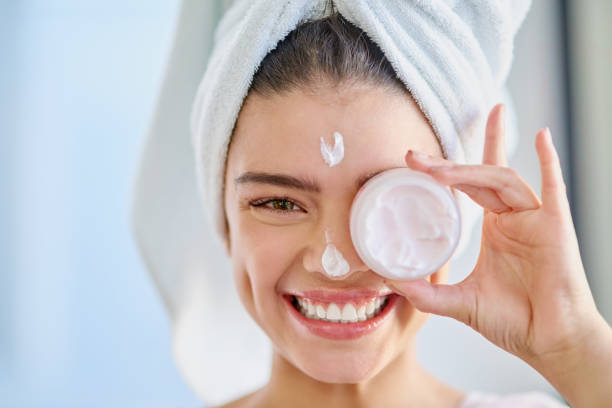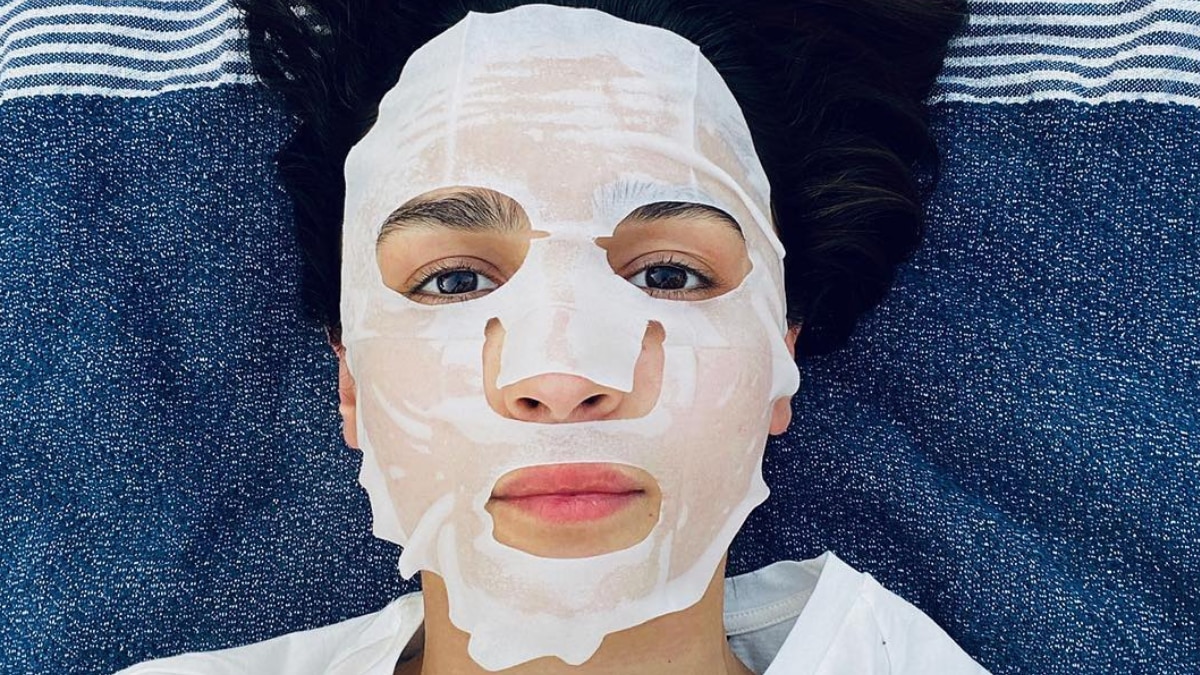
In recent years, the popularity of skincare routines has surged, with DIY face masks emerging as one of the most accessible and effective ways to address a variety of skin concerns. Whether you’re seeking to hydrate, brighten, exfoliate, or detoxify, the beauty of DIY face masks lies in their versatility and the ability to customize them with natural ingredients. While traditional face masks are relatively easy to make, there are advanced strategies and techniques that can elevate your DIY skincare game. These advanced approaches not only enhance the effectiveness of your masks but also allow you to tailor them to your specific skin needs. In this article, we will explore some of these advanced strategies, breaking them down simply and practically so you can create masks that truly transform your skin.
1. Personalized Mask Blends Based on Skin Types
One of the first steps in creating an advanced DIY face mask is understanding your skin type and customizing your ingredients accordingly. While some people may have dry skin, others may struggle with oily, sensitive, or combination skin. Tailoring your mask to your skin type is crucial for achieving the best results.
For dry skin, opt for masks that are rich in moisture-retaining ingredients such as honey, avocado, and aloe vera. These ingredients not only hydrate but also provide nourishment and antioxidants to restore the skin’s natural balance. A simple blend of mashed avocado, honey, and a few drops of olive oil can create a deeply moisturizing mask that will leave your skin feeling soft and rejuvenated.
For oily skin, you’ll want ingredients that help balance oil production and reduce shine. Clay-based masks are particularly beneficial, as they draw out impurities from the skin while tightening pores. Bentonite clay or French green clay mixed with tea tree oil, which has antibacterial properties, creates a purifying mask that helps regulate oil without over-drying the skin. Adding a few drops of lemon juice can enhance the mask’s ability to brighten the complexion and combat acne-causing bacteria.
Sensitive skin requires extra care, as harsh ingredients can cause irritation. Soothing ingredients such as oatmeal, chamomile, and cucumber are ideal. Oatmeal has anti-inflammatory properties, while cucumber helps calm redness and irritation. A gentle mask made from finely ground oats, chilled cucumber juice, and a touch of honey can provide a soothing, cooling effect while nourishing delicate skin.
For combination skin, consider using a multi-step approach, applying different masks to different areas of the face. For instance, use a hydrating mask with honey and yogurt for dry areas and a clay mask for oily zones like the T-zone. This targeted treatment ensures that each area of the face receives the care it needs without overloading any specific region.
2. Incorporating Actives for Advanced Results
For those looking to step up their DIY face mask game, incorporating active ingredients can provide more targeted, potent results. Active ingredients are compounds that have been scientifically proven to bring about skin benefits, such as reducing wrinkles, brightening the complexion, or fighting acne.
For anti-aging benefits, consider adding retinol or vitamin C to your masks. While pure retinol can be too harsh for direct application, using a mild retinol serum in combination with a hydrating mask can help reduce the appearance of fine lines and improve skin texture over time. Similarly, vitamin C, known for its brightening and anti-aging properties, can be added to masks containing ingredients like honey or turmeric. A simple mask of turmeric, yogurt, and a drop of vitamin C serum can combat dullness and promote a youthful glow.
For acne-prone skin, incorporating salicylic acid or niacinamide can be highly effective. Salicylic acid penetrates deep into the pores to exfoliate and clear up acne, while niacinamide helps reduce inflammation and control oil. Adding a few drops of a niacinamide serum to a clay mask can help to both prevent future breakouts and soothe the skin after a flare-up. Just be sure to patch-test any new active ingredients to ensure they don’t cause irritation.
Hyaluronic acid is another advanced ingredient that can be incorporated into your DIY masks. This powerhouse ingredient attracts moisture to the skin, offering an immediate plumping effect. While not commonly found in DIY recipes, adding a few drops of a hyaluronic acid serum to a hydrating mask made from aloe vera or cucumber can drastically enhance the skin’s hydration levels, resulting in a dewy, youthful complexion.
3. Boosting Mask Effectiveness with Heat and Steam
Heat can significantly enhance the effectiveness of a face mask by opening up the pores and allowing active ingredients to penetrate deeper into the skin. The use of steam before applying a mask is an advanced strategy that ensures the ingredients can work at their full potential.
Start by steaming your face before applying your DIY mask. You can do this by simply holding your face over a bowl of hot water (be careful not to burn yourself), or using a facial steamer. The heat from the steam will help to soften your skin, loosen any dirt or oil trapped in the pores, and prepare your skin to better absorb the mask’s nutrients.
For even better results, consider using a warm towel to press into your face after applying the mask. This technique not only enhances the penetration of active ingredients but also gives a spa-like feeling to your skincare routine. This added warmth opens the pores, allowing ingredients such as clay, honey, or even essential oils to penetrate deeper and provide more effective results.
4. Layering Masks for Maximum Effect
Advanced DIY face mask strategies also involve layering different masks to address multiple skin concerns at once. While a single mask might tackle one problem, layering can address a variety of issues, from hydration to exfoliation, all in one session. The key here is to apply different types of masks to different areas of your face based on your skin’s needs.
For example, you can begin with a hydrating mask on the cheeks and under-eye area, which are often drier, followed by a clarifying clay mask on the T-zone, where pores tend to be larger and oil production is higher. After letting both masks sit for the recommended time, you’ll rinse them off together, leaving your skin balanced, clear, and moisturized.
Alternatively, for a more exfoliating treatment, you might start with an enzyme mask that gently dissolves dead skin cells (such as a pumpkin or papaya enzyme mask) and follow up with a hydrating or soothing mask to replenish moisture afterward. This layered approach provides more thorough results and enhances the overall skincare benefits.
5. Incorporating Essential Oils and Botanicals
For a truly advanced DIY face mask, adding essential oils and botanical extracts can help to elevate your skincare routine. These oils not only provide therapeutic benefits but also enhance the sensory experience of your face mask. For example, lavender oil is calming and anti-inflammatory, making it an excellent choice for irritated or sensitive skin. Tea tree oil is known for its antibacterial properties and is great for acne-prone skin, while rosehip oil is packed with antioxidants and can improve skin texture and tone.
To incorporate essential oils safely, make sure you dilute them in a carrier oil like jojoba or almond oil. Adding just a few drops to your DIY mask will enhance its benefits without overwhelming your skin. Botanical extracts such as green tea extract or chamomile extract can also be incorporated to soothe the skin, reduce redness, and fight oxidative stress caused by environmental factors.
Conclusion
Incorporating advanced strategies into your DIY face mask routine can dramatically elevate your skincare regimen. By tailoring your masks to your skin type, incorporating active ingredients, using heat to boost effectiveness, layering different masks for multi-tasking results, and adding essential oils for an aromatic touch, you can create face masks that go beyond the basics and deliver more profound, lasting benefits. While DIY masks can be fun and cost-effective, their true potential lies in how you customize and combine the ingredients to suit your skin’s unique needs. By understanding these strategies and approaching your DIY skincare with thoughtful consideration, you can craft masks that not only nourish your skin but also transform it over time.