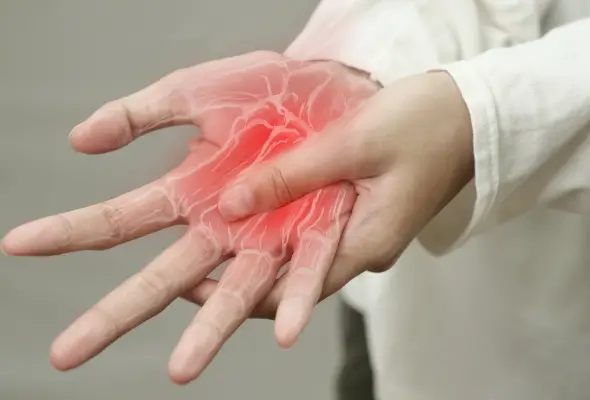
Arthritis is a widespread condition affecting millions of people worldwide. Characterized by inflammation in the joints, it causes pain, stiffness, and swelling, and can severely impact quality of life. While there is no definitive cure for arthritis, significant advancements in research have provided a variety of scientifically proven treatments that can alleviate symptoms, improve joint function, and enhance mobility. Whether dealing with osteoarthritis (OA), rheumatoid arthritis (RA), or other forms of the condition, effective management is crucial.
In this article, we will explore the top 10 arthritis treatments that are scientifically backed, offering a blend of medications, therapies, and lifestyle changes. These treatments not only help manage symptoms but also reduce inflammation and slow the progression of the disease.
1. Nonsteroidal Anti-Inflammatory Drugs (NSAIDs)
NSAIDs are among the most commonly used medications to manage arthritis pain and inflammation. Drugs like ibuprofen (Advil, Motrin) and naproxen (Aleve) work by inhibiting cyclooxygenase (COX) enzymes, which are responsible for producing inflammatory molecules called prostaglandins. By reducing inflammation, NSAIDs help alleviate pain and improve mobility.
Scientific studies consistently show that NSAIDs are effective for short-term pain relief in both OA and RA. However, they should be used with caution, especially for long-term use, as they can cause gastrointestinal issues, kidney problems, and raise the risk of heart disease in some individuals. It’s advisable to use the lowest effective dose for the shortest time possible, under the guidance of a healthcare professional.
2. Disease-Modifying Antirheumatic Drugs (DMARDs)
For those with rheumatoid arthritis (RA), DMARDs are a cornerstone of treatment. Unlike NSAIDs, which only address symptoms, DMARDs aim to slow or stop the progression of the disease itself by targeting the underlying immune system dysfunction. Common DMARDs include methotrexate, sulfasalazine, and hydroxychloroquine.
Methotrexate, in particular, is considered the gold standard for RA treatment. Research has shown that it can reduce joint damage, improve long-term function, and help control inflammation. Biological DMARDs, such as tumor necrosis factor (TNF) inhibitors, interleukin-6 (IL-6) inhibitors, and B-cell depletion therapies, are newer options that target specific immune cells involved in inflammation. Studies have shown that these biologics can offer profound relief for those with moderate to severe RA, improving quality of life and reducing flare-ups.
3. Corticosteroids
Corticosteroids, such as prednisone, are powerful anti-inflammatory medications that can provide rapid relief from arthritis flare-ups. They work by suppressing the immune system and decreasing inflammation in the affected joints. Corticosteroids can be taken orally, but they are often injected directly into the joint for more targeted relief.
Studies have demonstrated the effectiveness of corticosteroid injections in providing significant short-term pain relief and reducing swelling. However, due to the potential for side effects—such as bone thinning, weight gain, and increased blood sugar—corticosteroids are typically used sparingly and for short durations.
4. Physical Therapy and Exercise
Exercise is one of the most effective non-drug treatments for arthritis. Scientific evidence supports the role of regular physical activity in managing arthritis symptoms, improving joint flexibility, and strengthening the muscles around the affected joints, which helps reduce the burden on the joints themselves.
A physical therapist can guide individuals through specific exercises designed to improve strength, flexibility, and mobility. Aerobic exercises, such as walking or swimming, are particularly beneficial, as they increase cardiovascular health without overloading the joints. Additionally, strength training and range-of-motion exercises can further help improve joint function and alleviate pain.
Research consistently shows that a tailored physical therapy regimen can reduce joint stiffness, alleviate pain, and significantly improve overall function in people with both OA and RA.
5. Topical Treatments
Topical treatments, such as creams and gels, offer localized pain relief for arthritis sufferers. These treatments often contain ingredients like menthol, capsaicin, or nonsteroidal anti-inflammatory drugs (NSAIDs), which are absorbed through the skin to reduce pain and inflammation in the affected joints.
Topical NSAIDs, such as diclofenac gel, have been shown in clinical trials to be effective in reducing pain and inflammation associated with OA, particularly in the knee and hands. Capsaicin creams, derived from chili peppers, work by depleting substance P, a neurotransmitter involved in pain signaling. Studies suggest that capsaicin can reduce pain in individuals with OA, especially in the knees and hips.
While topical treatments offer fewer systemic side effects compared to oral medications, their effects tend to be more localized, and they may be less effective for widespread pain.
6. Joint Injections
Joint injections of hyaluronic acid or corticosteroids are often used for individuals with OA, particularly in the knee. Hyaluronic acid is a natural substance found in joint fluid, and it helps lubricate the joint and reduce friction. Over time, the natural levels of hyaluronic acid in the joint decrease, which can contribute to the symptoms of OA.
Injecting hyaluronic acid into the joint can help restore lubrication, reduce pain, and improve mobility. Multiple studies have shown that hyaluronic acid injections can offer significant short-term pain relief for people with knee OA. On the other hand, corticosteroid injections are more commonly used for reducing inflammation and providing faster, although shorter-term, relief during flare-ups.
7. Dietary Supplements
Certain dietary supplements have shown promise in alleviating arthritis symptoms and supporting joint health. The most widely studied supplements for arthritis are glucosamine and chondroitin sulfate. These substances are naturally found in the cartilage and are believed to support cartilage repair and reduce inflammation. Some studies suggest that glucosamine, in particular, can help slow the progression of OA and reduce pain in affected joints.
Omega-3 fatty acids, commonly found in fish oil, are another supplement shown to have anti-inflammatory properties. Research indicates that omega-3s can help reduce the severity of inflammation in joints and improve mobility. Moreover, turmeric, containing the active compound curcumin, has gained attention for its potent anti-inflammatory properties. Some clinical trials suggest that curcumin may help alleviate pain and stiffness in people with OA and RA.
8. Weight Management
Maintaining a healthy weight is crucial for managing arthritis, particularly for those with OA in weight-bearing joints like the hips and knees. Excess weight places additional stress on these joints, accelerating cartilage breakdown and exacerbating pain and inflammation. Scientific studies have shown that even modest weight loss can significantly reduce joint pain, improve mobility, and reduce the need for medications.
A balanced diet rich in anti-inflammatory foods—such as fruits, vegetables, whole grains, lean proteins, and healthy fats—can help support weight loss and reduce inflammation. Pairing a healthy diet with regular exercise provides the best outcomes for arthritis management.
9. Surgery
In severe cases of arthritis, especially when non-surgical treatments have failed, surgery may be necessary to improve joint function and quality of life. Surgical options include joint replacement, joint fusion, and osteotomy (bone realignment).
Joint replacement surgery, most commonly performed in the hip or knee, involves replacing the damaged joint with an artificial one. Research has shown that joint replacement can offer significant relief from pain and improve function, allowing patients to regain mobility and independence.
10. Mind-Body Therapies
Lastly, mind-body therapies such as acupuncture, yoga, and mindfulness meditation have shown promise in managing chronic pain and inflammation. These therapies focus on reducing stress, improving mental well-being, and enhancing the body’s natural healing processes. Studies suggest that acupuncture, in particular, can help alleviate pain and improve joint function in people with arthritis, while yoga can improve flexibility and reduce stiffness.
Mindfulness meditation and relaxation techniques help manage pain perception and stress, which can, in turn, help reduce arthritis symptoms.
Conclusion
Arthritis is a challenging and often debilitating condition, but with the right treatment plan, it is possible to manage symptoms effectively and maintain a high quality of life. From medications like NSAIDs and DMARDs to lifestyle changes such as exercise and weight management, there are numerous scientifically backed treatments that can help control inflammation, alleviate pain, and improve joint function.
By taking a comprehensive approach—incorporating a combination of medical treatments, physical therapies, and lifestyle adjustments—you can manage your arthritis more effectively and enjoy a fulfilling, active life. Always consult with your healthcare provider before starting any new treatments to ensure the best outcomes for your specific condition.