

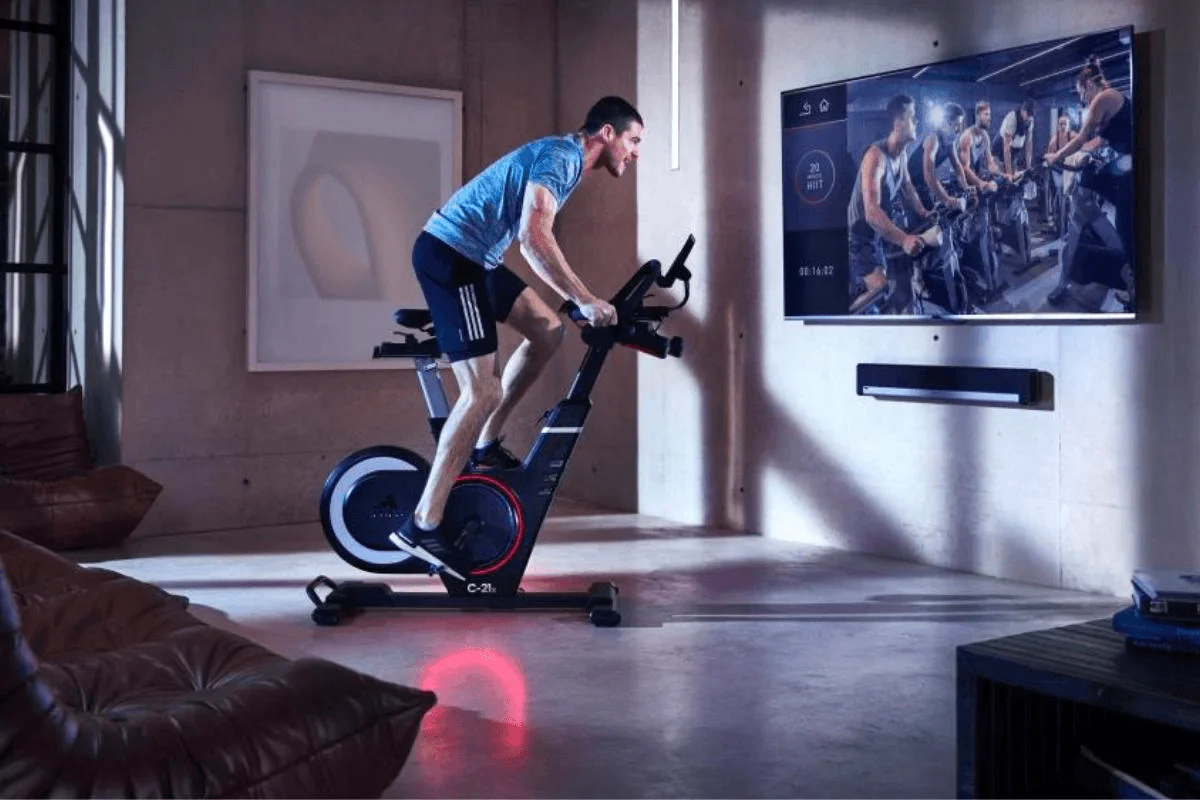
Staying physically active in a dense urban environment requires workouts that are effective, controlled, and safe over the long term. Many people want to improve strength and endurance without putting excessive stress on their joints or risking recurring injuries. This is one reason indoor cycling singapore has become a preferred training option for individuals who value both performance and physical longevity. Unlike high-impact activities, indoor cycling allows people to train consistently while protecting their knees, hips, and lower back.
Indoor cycling is often misunderstood as purely a cardio workout. In reality, it plays a significant role in strengthening muscles, improving joint stability, and supporting injury prevention when performed with correct technique and proper progression. For people who have experienced discomfort from running, jumping, or unstructured gym routines, indoor cycling offers a more sustainable path to fitness.
Why Joint-Friendly Exercise Matters in Singapore
Joint health becomes increasingly important as work routines grow more sedentary and daily movement decreases. Long hours of sitting, frequent screen use, and limited recovery time can contribute to tight hips, weak glutes, and lower back discomfort. Over time, these issues increase the risk of joint pain and soft tissue injuries.
Indoor cycling addresses these challenges by providing:
-
A low-impact movement pattern that reduces joint compression
-
Controlled resistance that strengthens muscles around key joints
-
Repetitive but guided motion that improves movement efficiency
Because the bike supports body weight, there is significantly less stress on the knees and ankles compared to running or plyometric training. This makes indoor cycling suitable not only for younger adults, but also for individuals who want to remain active well into later stages of life.
How Indoor Cycling Strengthens Muscles Without Overloading Joints
Muscle strength is essential for joint protection. Weak muscles place more strain on connective tissues, increasing the likelihood of injury. Indoor cycling develops strength through resistance-based pedalling rather than impact forces.
Lower Body Muscle Development
Indoor cycling places sustained demand on major lower body muscle groups. These muscles act as stabilisers for the knee and hip joints.
Key muscles engaged include:
-
Quadriceps, which support knee extension and shock absorption
-
Hamstrings, which balance knee mechanics and hip movement
-
Gluteal muscles, which stabilise the pelvis and lower back
-
Calf muscles, which support ankle control and circulation
As these muscles become stronger, joints experience better alignment and reduced mechanical stress during both exercise and daily activities.
Core Engagement and Postural Support
Although cycling is seated, core muscles play an important role in maintaining posture and balance. Proper indoor cycling technique encourages light core engagement to stabilise the torso, especially during higher resistance segments.
Improved core strength helps reduce lower back strain, particularly for individuals who spend long hours seated at desks. Over time, this contributes to better posture both on and off the bike.
Injury Prevention Through Controlled Training
One of the most valuable aspects of indoor cycling is its predictability. Unlike outdoor activities where terrain and conditions vary, indoor cycling sessions follow a structured format with planned intensity changes.
Reduced Risk of Overuse Injuries
Overuse injuries often occur when people repeat the same movement pattern without adequate recovery or progression. Indoor cycling instructors design sessions with balanced intensity, recovery intervals, and varied cadence to prevent excessive strain on a single muscle group.
This structured variation helps:
-
Distribute load more evenly across muscles
-
Allow joints to adapt gradually
-
Reduce repetitive stress injuries
Importance of Bike Setup and Technique
Proper bike setup is essential for injury prevention. Seat height, handlebar position, and foot placement all influence joint alignment. When set correctly, the bike supports natural movement patterns and reduces unnecessary strain.
In professional fitness environments, instructors guide participants through basic setup checks, ensuring that knees track correctly and hips remain stable. This attention to detail is a key reason indoor cycling is often recommended for people recovering from minor injuries or returning to exercise after a long break.
Indoor Cycling for Individuals With Previous Joint Discomfort
Many people avoid exercise after experiencing knee or back pain, fearing further injury. Indoor cycling offers a safer alternative because resistance and speed can be adjusted easily.
Participants can:
-
Reduce resistance on days when joints feel sensitive
-
Focus on smooth, controlled pedalling rather than speed
-
Maintain cardiovascular fitness without aggravating pain
As strength and confidence improve, intensity can be increased gradually. This adaptability supports long-term participation rather than short-term effort followed by setbacks.
Supporting Musculoskeletal Health Through Consistency
Joint and muscle health improve through consistent, moderate training rather than sporadic intense workouts. Indoor cycling supports this approach by making it easier to train regularly.
Short, structured sessions fit well into daily routines, reducing the temptation to skip workouts due to time constraints. Over weeks and months, consistent cycling builds resilience in muscles and connective tissues, which is essential for injury prevention.
People who cycle regularly often report:
-
Reduced stiffness in hips and knees
-
Improved movement confidence
-
Greater tolerance for other physical activities
These benefits extend beyond the gym and into everyday life.
The Role of Professional Instruction in Safe Progression
A key factor in injury prevention is progression. Doing too much too soon is one of the most common causes of training-related injuries. Professional instruction helps manage this risk by guiding participants through appropriate intensity levels.
Facilities such as True Fitness Singapore emphasise structured programming that balances challenge with recovery. Instructors cue proper form, encourage pacing, and help participants recognise when to push and when to hold back. This guidance is especially valuable for individuals who are new to structured training or returning after time away from exercise.
Complementing Indoor Cycling With Mobility Work
While indoor cycling strengthens muscles, joint health also depends on flexibility and mobility. Many participants enhance their results by incorporating simple mobility routines alongside cycling.
Helpful practices include:
-
Gentle hip flexor stretches to counter prolonged sitting
-
Hamstring mobility exercises to support knee health
-
Light foam rolling for muscle recovery
-
Short warm-up routines before cycling sessions
These additions do not require significant extra time but can greatly improve comfort and performance over the long term.
Indoor Cycling as a Sustainable Fitness Choice
Sustainability in fitness means choosing activities that can be maintained year after year without chronic pain or injury. Indoor cycling meets this requirement by combining cardiovascular training with joint-friendly mechanics.
Rather than pushing the body through repeated impact, cycling builds strength and endurance through controlled resistance. This makes it suitable for a wide range of ages and fitness backgrounds, supporting lifelong physical activity.
Frequently Asked Questions
Is indoor cycling safe for people with knee issues?
Indoor cycling is generally considered low impact and knee-friendly when the bike is set up correctly. Resistance and cadence can be adjusted to reduce stress while still providing an effective workout.
Can indoor cycling help strengthen weak joints?
Indoor cycling strengthens the muscles surrounding joints, which improves joint stability and reduces strain during movement.
How important is bike setup for injury prevention?
Bike setup is very important. Incorrect seat height or handlebar position can place unnecessary stress on knees and lower back. Proper adjustment supports natural alignment.
Should indoor cycling be combined with other exercises?
Indoor cycling works well on its own, but combining it with light strength or mobility work can further enhance joint health and overall balance.
How long before joint strength improvements are noticeable?
Many people notice improved stability and reduced discomfort within a few weeks of consistent training, provided sessions are performed with good technique.
Is indoor cycling suitable for older adults?
Yes. Indoor cycling is often recommended for older adults because it provides cardiovascular and muscular benefits without high impact on joints.
Indoor cycling continues to be a practical and effective solution for people who want to stay active while protecting their joints and muscles. With the right approach, it supports long-term strength, mobility, and confidence in movement without unnecessary risk.