Fitness is a journey that goes beyond just physical appearance. For men, it’s a commitment to improving overall health, mental clarity, and long-term well-being. With the new year upon us, there’s no better time to reassess and refine the key factors that influence fitness. Understanding these factors not only helps in achieving goals more effectively but also encourages a more sustainable approach to fitness. As men face the challenge of balancing busy lives with personal wellness, a strategic, informed approach to fitness becomes crucial. Below are the key factors that will shape men’s fitness journeys this year.
1. Goal Setting: Defining Purposeful Objectives
The cornerstone of any successful fitness plan is setting clear, specific goals. Whether you’re looking to lose weight, build muscle, increase endurance, or simply maintain a healthy lifestyle, the first step is to define what you truly want to achieve. It’s easy to get lost in the sea of fitness trends and endless advice, but without a targeted objective, it’s hard to measure success or stay motivated.
This year, instead of vague goals like “getting in shape,” opt for SMART goals—Specific, Measurable, Achievable, Relevant, and Time-bound. For example, “I will lose 10 pounds in three months by reducing my caloric intake and increasing my workout frequency” offers a clear target and roadmap. Breaking down big fitness aspirations into smaller, actionable steps helps maintain focus, track progress, and celebrate small victories along the way.
2. Nutritional Balance: The Foundation of Fitness
While exercise is an important part of fitness, proper nutrition is the backbone of any fitness regimen. A well-balanced diet fuels the body, aids in recovery, and optimizes performance. Men often underestimate the role of nutrition in fitness, focusing primarily on workouts or supplements. However, without the right nutrients, muscle growth, fat loss, and recovery can be compromised.
This year, focus on a diet that supports your fitness goals. For muscle building, a protein-rich diet is essential, while those aiming for fat loss should pay attention to caloric intake and balance macronutrients effectively. A mix of lean proteins (chicken, fish, legumes), healthy fats (avocados, nuts, olive oil), and complex carbohydrates (whole grains, vegetables) will sustain energy levels throughout the day and during workouts. Equally important is hydration—water supports muscle function, digestion, and the elimination of toxins. Ensure you’re drinking enough water daily, and adjust based on activity level and climate conditions.
Another important factor to consider is meal timing. Consuming protein-rich meals and snacks throughout the day helps maintain muscle protein synthesis. After workouts, aim to consume a balanced meal or shake within 30 to 60 minutes to aid muscle recovery and replenish glycogen stores.
3. Strength Training: Building a Strong Foundation
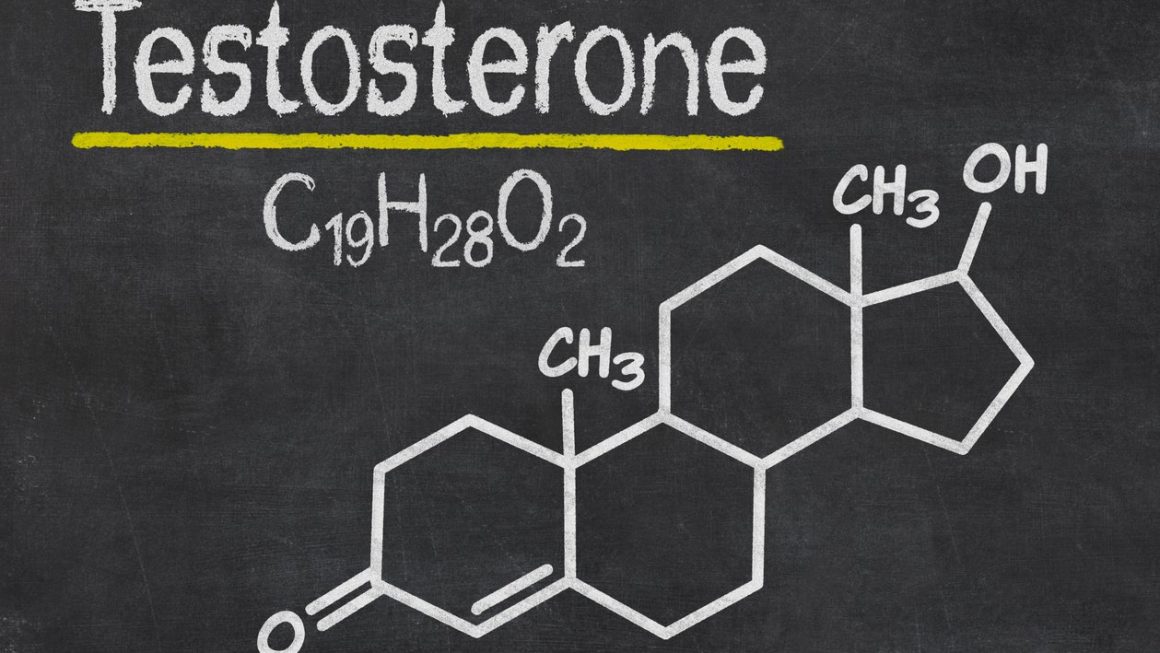
For men, strength training should be a central component of any fitness routine. Not only does it help increase muscle mass and metabolic rate, but it also improves bone density, joint stability, and functional strength. Moreover, strength training plays a crucial role in combating the natural decline of testosterone as men age.
This year, focus on incorporating compound exercises into your workout routine. Movements like squats, deadlifts, bench presses, and pull-ups engage multiple muscle groups, promoting overall muscle growth and functional fitness. Additionally, these exercises are time-efficient, making them perfect for busy schedules. Strength training two to three times per week provides ample stimulus for muscle growth while allowing for sufficient recovery time.
Progressive overload is key to continued improvement. Gradually increasing the weight or resistance you use over time challenges the muscles and promotes growth. Keep in mind that proper form is crucial to prevent injury and ensure that the intended muscle groups are being targeted effectively.
4. Cardiovascular Health: Enhancing Endurance and Vitality
Cardiovascular health is often an area men tend to overlook, focusing primarily on strength and aesthetics. However, heart health is foundational to overall well-being and fitness. Cardiovascular exercise improves endurance, helps burn fat, supports heart function, and enhances mental clarity. Incorporating regular cardio into your fitness routine is essential, regardless of your specific fitness goals.
This year, explore a variety of cardio workouts to keep things interesting and maximize results. Traditional activities like running, cycling, and swimming are excellent choices, but consider integrating High-Intensity Interval Training (HIIT) into your regimen. HIIT alternates short bursts of intense activity with periods of rest, and has been shown to burn fat efficiently while improving both aerobic and anaerobic endurance. Its time-efficient nature makes it especially appealing for those with packed schedules, offering significant benefits in a fraction of the time spent on traditional cardio.
5. Rest and Recovery: Vital for Long-Term Success
Often the most overlooked aspect of fitness is recovery. While it’s tempting to push harder and longer, proper rest is essential for muscle growth, repair, and long-term progress. Overtraining can lead to burnout, injuries, and stunted progress. Ensuring that the body has time to recover after intense workouts is not a luxury—it’s a necessity.
This year, prioritize rest days and aim for 7 to 9 hours of sleep per night. Sleep is when the body undergoes its most significant repair processes, releasing growth hormones that aid muscle recovery and support overall health. If sleep quality is a concern, consider developing a nighttime routine that helps you unwind, such as limiting screen time, practicing deep breathing, or incorporating a light stretching routine before bed.
Moreover, consider adding practices like foam rolling or yoga to your routine to aid muscle recovery and improve flexibility. These activities promote blood flow, reduce muscle stiffness, and lower the risk of injury.
6. Mental Health: The Hidden Component of Fitness
Mental health is a critical factor in the success of any fitness plan. Stress, anxiety, and depression can hinder motivation, disrupt sleep, and impact overall health. This year, take a holistic approach to fitness by incorporating mental wellness practices into your routine. Activities like meditation, mindfulness, and journaling can help reduce stress and improve focus, which in turn can enhance your workouts and recovery.
Exercise itself is known to release endorphins, the body’s natural mood enhancers. A consistent workout routine can improve mental clarity, reduce anxiety, and increase self-esteem. Whether you’re lifting weights or practicing yoga, the act of moving the body helps release built-up tension, leading to a calmer, more focused mindset.
7. Consistency: The Key to Long-Term Results
While it may seem obvious, consistency is the most important factor in achieving fitness goals. Many men start the year with enthusiasm, only to lose motivation after a few weeks. This year, focus on making fitness a non-negotiable part of your routine, no matter how busy life gets. Set realistic goals, plan workouts in advance, and track your progress to stay motivated. It’s important to remember that results take time, and incremental improvements are just as important as major milestones.
The best fitness plan is the one you can stick to. Whether you prefer training in the gym, outdoors, or at home, find a routine that fits your lifestyle and schedule. By making fitness a consistent habit, you’ll gradually see positive changes that compound over time.
Conclusion: Achieving Fitness Success This Year
This year offers a fresh opportunity to redefine your fitness journey. By focusing on key factors such as goal setting, nutrition, strength training, cardiovascular health, recovery, mental health, and consistency, men can achieve lasting and meaningful results. Fitness isn’t just about aesthetics; it’s about creating a balanced, healthy life that promotes well-being in every area. Remember, success lies in adopting a holistic approach and being patient with the process. With these key factors in mind, you’ll be well on your way to a healthier, stronger, and more fulfilling year ahead.