

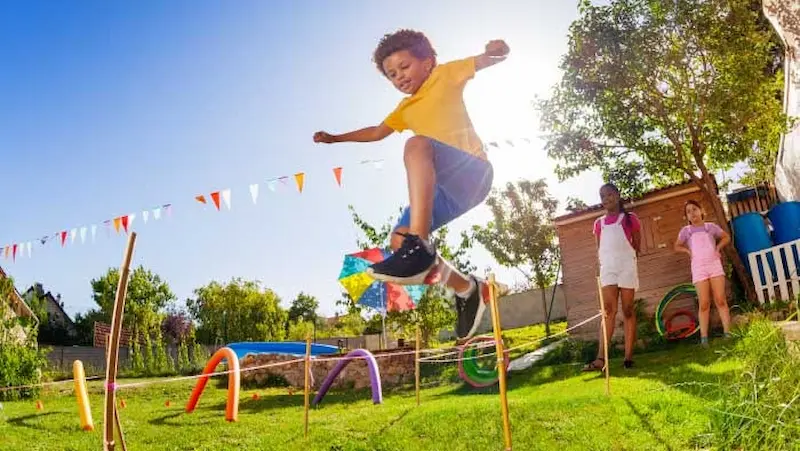
In a world where technology and sedentary lifestyles have become the norm, the importance of physical activity often gets overshadowed by the convenience of screen time and the hustle of daily life. However, experts from various fields—ranging from pediatrics to psychology—are increasingly emphasizing the importance of active play for people of all ages. While it’s often thought of as a childhood activity, active play is not only essential for children but can benefit adults as well. From improving physical health to enhancing mental well-being, active play has the potential to transform lives.
But what exactly is active play? Simply put, active play refers to any form of play that involves physical movement—whether it’s running, jumping, dancing, or engaging in games that promote mobility and coordination. It contrasts with sedentary activities like watching TV or playing video games, which require little to no physical movement. Experts recommend incorporating active play into daily routines to achieve a variety of health benefits that contribute to a more balanced and fulfilling life.
1. Boosting Physical Health
The most obvious and widely recognized benefit of active play is its positive impact on physical health. Engaging in physical activity helps to strengthen the body, improve cardiovascular health, and maintain an optimal weight. Whether through simple outdoor games like tag, frisbee, or organized sports, active play gets the heart pumping, the muscles moving, and the body energized.
According to the World Health Organization (WHO), adults should aim for at least 150 minutes of moderate-intensity physical activity per week, or 75 minutes of vigorous activity. Active play, particularly when it’s engaging and fun, can be a seamless way to meet these guidelines. For children, experts recommend at least one hour of physical activity each day, and active play provides a natural, enjoyable way to achieve this.
Regular physical activity reduces the risk of chronic conditions such as obesity, diabetes, heart disease, and certain types of cancer. It also helps improve bone health, increase muscle strength, and enhance flexibility. By incorporating active play into your routine, whether it’s chasing after a ball or going for a hike with friends, you are giving your body the tools it needs to thrive.
2. Mental and Emotional Well-being
The benefits of active play extend far beyond the physical body. Experts in psychology have long understood the profound connection between physical activity and mental well-being. Active play has been shown to reduce stress, anxiety, and depression, while simultaneously boosting mood and enhancing cognitive function.
Engaging in movement triggers the release of endorphins—the body’s natural mood elevators. These neurochemicals help create feelings of happiness and euphoria, making active play a natural antidote to stress. This is especially important in today’s fast-paced, high-pressure environment, where many people struggle with burnout and mental fatigue.
Additionally, active play fosters a sense of achievement and self-esteem. Whether it’s mastering a new skill in a sport, completing a challenging hike, or simply having fun with others, these activities provide a sense of accomplishment that promotes emotional well-being. For children, active play also contributes to the development of social skills, such as cooperation, negotiation, and conflict resolution, all of which are essential for healthy emotional growth.
3. Enhancing Social Connections
Active play is also an excellent opportunity for social interaction. In contrast to the solitary nature of many modern-day pastimes, activities like team sports, group games, or outdoor activities often require cooperation, communication, and mutual support. These interactions help to build and strengthen relationships, fostering a sense of community and belonging.
For children, active play is particularly crucial for developing social skills. Whether it’s playing on a sports team, participating in group games, or simply interacting with peers at a playground, children learn valuable lessons about teamwork, empathy, and leadership. As they navigate various social scenarios, children build their emotional intelligence and develop the confidence to handle future social challenges.
For adults, engaging in active play with friends, family, or colleagues can foster stronger social bonds. Activities like playing a round of golf, taking a dance class together, or simply going for a walk in the park can provide meaningful opportunities for connection, allowing individuals to unwind, enjoy each other’s company, and build lasting memories.
4. Improved Cognitive Function
Active play is not only good for the body and emotions—it also enhances brain function. When you engage in physical activity, blood flow to the brain increases, delivering oxygen and nutrients that support cognitive performance. This boost in circulation helps improve focus, memory, problem-solving skills, and creativity.
Studies have shown that physical activity, including active play, can enhance learning abilities, improve attention span, and increase overall mental sharpness. For children, engaging in physical play helps develop essential cognitive skills, such as spatial awareness, hand-eye coordination, and executive function, which is critical for planning, decision-making, and impulse control.
For adults, particularly those working in demanding fields that require problem-solving, decision-making, and creativity, incorporating active play into their daily routine can help maintain and even improve cognitive function as they age. Research has demonstrated that regular physical activity can slow cognitive decline in older adults and lower the risk of conditions like dementia and Alzheimer’s disease.
5. Fostering a Lifelong Appreciation for Movement
One of the most significant benefits of active play is that it helps instill a love for movement that can last a lifetime. Active play is enjoyable—it’s not about perfection or competition but about engaging in movement for the sheer joy of it. This sense of enjoyment is key to making physical activity a regular part of one’s life.
For children, the habits developed through active play often carry over into adulthood. If children grow up enjoying physical activities—whether it’s biking, swimming, or playing sports—they are more likely to continue these activities as adults, reaping the long-term benefits of an active lifestyle. Encouraging children to find activities they love helps set them on a path toward healthier living and greater happiness in the future.
Similarly, adults who engage in active play, whether it’s through recreational sports or outdoor adventures, are more likely to maintain an active lifestyle well into their senior years. Active play helps reduce the risk of age-related physical decline, making it easier to stay mobile and independent as one ages.
6. Making Physical Activity Enjoyable
One of the key reasons experts recommend active play is that it makes exercise feel less like a chore and more like a fun, natural activity. Whether you’re playing with your kids, participating in a local sports league, or going on an adventure with friends, active play offers a break from the monotony of the gym or structured workout routines.
Active play provides an alternative to the often tedious nature of traditional workouts. For many, engaging in playful activities feels more natural and sustainable than setting aside time for a formal workout. Plus, the sense of enjoyment and excitement that comes with active play often leads to increased motivation, ensuring that you’ll stay engaged in physical activity for the long term.
Conclusion
Incorporating active play into your routine offers a multitude of benefits, from enhancing physical health to improving mental clarity, emotional well-being, and social connections. It’s not just a childhood activity—active play is a crucial aspect of a healthy lifestyle for individuals of all ages. By making play a priority in your life, you’ll experience a wide range of physical, mental, and emotional benefits that contribute to long-term success and happiness. So, whether you’re a child or an adult, consider making time for active play. Not only will it improve your quality of life, but it will also inspire a lifelong love for movement and play.